

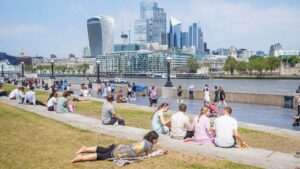
Keeping healthy – no matter the weather
As summer temperatures soar across the UK, keeping your property comfortable is becoming a major priority.
As climate change continues to drive record-breaking summers and extreme heat warnings, the way we think about our homes is undergoing a massive shift.
Historically, British homes were built to trap heat and keep out the bitter winter cold. However, in recent times, an uncomfortably hot house is no longer just a minor annoyance; it can be a serious health hazard.
At PRL, we know that true energy efficiency is about year-round comfort. A well-retrofitted home is just as adept at keeping scorching summer air out as it is at retaining cosy warmth in the winter.
Whether you are about to embark on your retrofit journey, or are looking for actionable, low-cost ways to beat the heat this summer, here are our 20 ultimate heatwave tips for you - and your home.
Smart daily habits for you and your family
Before diving into structural changes, the day-to-day decisions you make can dramatically impact how hot your living spaces get.
- Embrace the "Close in the Day, Open at Night" rule
When the outside temperature is higher than your indoor temperature, keeping your windows shut is actually the best strategy. Opening windows during a hot day simply lets hot air circulate into your home. Instead, seal the house during peak sunlight, and open up all your windows at night to create a through breeze when the air outside has cooled.
To keep midges and mosquitoes out of your home at night, install fine mesh fly screens on your windows and keep them shut after dark. High-tensile security mesh screens are a better option for household security, though. Turn off lights before opening windows, and use household fans, as these insects are weak flyers. For extra defence, plug in an indoor insect repellent before bed.
- Cover your south- and west-facing windows
Sunlight streaming through your glass acts just like a greenhouse. By shutting your curtains, blinds, or external shutters on the sunny side of your house, you can block direct rays and prevent indoor temperatures from rising. - Choose light-coloured window dressings
When updating or choosing window dressings, consider their colour. Light-toned blinds and curtains reflect the sun's rays away from the window, whereas dark colours absorb the heat and then radiate it directly into your rooms. - Check your indoor and outdoor thermostats
A room thermometer helps you stay objectively aware of how hot your home is. The NHS and other health organisations often advise keeping an eye on the vulnerable, particularly if the temperature within a room remains high. - Stay hydrated and cool
It’s recommended to drink six to eight glasses of water a day, though you will need even more when you are hot. (Avoid drinking massive amounts of water all at once though, to prevent overworking your kidneys or unbalancing your electrolytes.) Also, you can choose lower-fat milks, and tea to stay hydrated, and eat foods with a high water content, like cucumber, melon, and strawberries. - Avoid sunbathing between 11 am and 3 pm
The Met Office and the UK Health Security Agency (UKHSA) strongly advise avoiding direct exposure to the sun when the UV rays are at their strongest. Stay in the shade, wear a wide-brimmed hat, and apply high-factor sunscreen if you have to go out. - Wear loose, light clothing
Wear light-coloured, loose-fitting garments made from natural, breathable materials like cotton and linen. They promote air circulation and help your body's natural cooling mechanisms work effectively. - Cool your body directly
Sometimes it is easier and quicker to cool yourself. Place a cold, damp flannel on your pulse points (such as the wrists and neck), or take a cool shower before heading to bed. - Check on your vulnerable neighbours
Help protect vulnerable people, including older neighbours, those living alone, and individuals with underlying conditions. They may need support staying hydrated and keeping their living spaces cool. - Never leave anyone in a parked car
Temperatures in a closed, parked vehicle can rise to dangerous, life-threatening levels within minutes. Never leave young children, the elderly, or pets in a parked car, even if you just need to pop into a shop.
Operating your home's systems & appliances
Many of our daily routines generate internal heat that gets trapped in the house. You can stop your home from working against you by making a few minor adjustments.
- Turn off unused appliances and electronics
Everyday electronics generate excess heat. Televisions, gaming consoles, and computers radiate warmth even when on standby. Unplugging them when not in use helps keep your rooms cooler. - Switch to energy-efficient led bulbs
Older incandescent and halogen light bulbs convert most of their energy into heat, rather than light. Upgrading to energy-efficient LEDs keeps your lighting fixtures cool while reducing your energy bills. - Avoid using the tumble dryer
Tumble dryers not only use a considerable amount of electricity but also pump hot, humid air into your home. Take advantage of warmer summer weather by air-drying your laundry outside or on a well-ventilated indoor clothes rack (another idea is to put your clothes rack outside). If you are drying clothes indoors though, a dehumidifier with a dedicated 'laundry mode' is an excellent alternative. It extracts moisture from the air quietly and efficiently without producing excess heat. - Rethink your cooking methods
Using an oven or hob for hours on end will noticeably raise the ambient temperature of your home. Switch to food alternatives such as fresh salads, or utilise energy-efficient appliances like microwaves or air fryers, which emit much less heat. - Use electric fans strategically
Electric fans can help you feel more comfortable, but they do not lower the room's overall temperature. When it is cooler outside, place a fan in front of an open window facing inward to pull fresh air inside. You can also try placing a bowl of ice directly in front of the fan to circulate chilled air.
Future-proofing through retrofit and home upgrades
While immediate tips provide temporary relief, the long-term solution to tackling overheating in UK homes requires proper retrofitting.
- Upgrade to high-performance, shaded glazing
Traditional windows can act like greenhouses, allowing solar heat to enter and trapping it inside. Upgrading to double or triple glazing with specialised Low-E (low-emissivity) coatings and optimised solar heat gain coefficients (g-values) drastically limits how much heat enters your home while keeping you warm in winter. - Invest in comprehensive insulation
Many people mistakenly associate insulation exclusively with winter. In reality, proper loft, wall, and floor insulation works both ways. Just as it stops your central heating from escaping in December, high-quality exterior or interior wall insulation prevents extreme summer heat from migrating through your brickwork and into your living space. - Install Mechanical Ventilation with Heat Recovery (MVHR)
Proper ventilation is critical for maintaining healthy, breathable air in an airtight, retrofitted home. During the peak of a summer heatwave, opening windows all day only lets in hot air. An MVHR system continuously cycles fresh, filtered, and tempered air through your property without letting the stifling outdoor heat ruin your indoor climate. - Optimise your roof space with solar shading
A well-insulated loft space prevents solar radiation absorbed by your roof tiles from beaming down into your top-floor bedrooms. Installing reflective foils, loft insulation, and external solar shading (like awnings over large glass doors) acts as an excellent barrier against sweltering summer weather. - Plant vegetation for natural shading
One of the most natural, long-term ways to retrofit your outdoor space is to plant deciduous trees or climbing ivy on sun-facing walls. During the summer, leafy trees provide natural shade, preventing the sun from beating down on your exterior walls and windows. Once winter arrives, they shed their leaves, allowing precious sunlight to warm your property again.
Wherever you are spending the summer months, we at PRL wish you a very safe, healthy and enjoyable time.
Carl Dodd, Property Revolutions Ltd.
Photo copyright @ Amer Ghazzal/Shutterstock

