


The Ultra-LDES Challenge
The UK Government has launched the £28 million Ultra-Long Duration Energy Storage Challenge. The goal is to develop technologies capable of storing clean wind and solar energy for 100 hours or more (at least four days).
This initiative aims to eradicate the UK's reliance on expensive gas-fired generation during "dunkelflaute" periods (no wind, no sun).
For domestic retrofits, this grid-level evolution completely shifts how we plan home solar array sizing, domestic battery capacity, and smart energy tariffs.
The 100-hour horizon: decarbonising the gaps
The official government announcement of the Challenge marks a pivotal moment in the UK’s transition to a Net-Zero electricity grid. Delivered by UK Research and Innovation (UKRI), the £28 million investment specifically targets technologies that can bridge massive multi-day gaps in renewable generation.
Currently, wind and solar are the cheapest ways to generate electricity in the UK. However, the grid still relies heavily on expensive, carbon-heavy natural gas when the wind drops and the sun fades. By backing technologies like advanced non-lithium chemical batteries, mechanical storage, and underground hydrogen systems, the government aims to buffer the grid for at least four days straight.
This isn't just an industrial milestone - it represents a paradigm shift for homeowners wanting to retrofit, too. As the macro grid shifts from short-term frequency balancing to ultra-long-duration storage, the rules of residential energy management are being rewritten.
The Retrofit checklist: future-proofing your home today
If you want to retrofit your home, you shouldn’t wait for these industrial technologies to mature. Instead, PRL can design your home infrastructure to exploit the shifting energy market that these technologies will create.
1. Rethink domestic battery storage architecture
Most standard domestic battery retrofits use lithium-ion systems designed for diurnal (day-to-night) shifting. Homeowners charge them via solar panels or cheap overnight grid tariffs, draining them during peak evening hours.
- The Future Setup: As the grid accommodates deep wind surpluses lasting several days, dynamic tariffs like Octopus Energy's Agile Tariff will offer prolonged windows of cheap or negative-priced electricity.
- The Action: Consider oversizing your battery storage capacity beyond your basic daily usage. Look into modern lithium iron phosphate (LiFePO4) or emerging sodium-ion home units that offer deeper discharge cycles and longer operational lifespans.
2. Fabric First, but make it thermal
No amount of smart technology compensates for a ‘leaky’ building. Ensure your basic elements are locked down before upgrading your energy infrastructure:
- High-performance loft and cavity wall insulation to stabilise baseline energy demand.
- Advanced draught-proofing around historical windows, doors, and floorboards.
- The Thermal Battery Extension: Integrate your space heating with thermal storage. High-capacity water cylinders or phase-change materials (thermal stores) let you store clean grid energy as heat for days, mirroring the macro grid’s goals on a domestic scale.
3. Build around open-protocol Smart controls
The commercial models for future utility schemes rely heavily on "revenue stacking" - combining multiple value streams by responding instantly to market signals. Your home needs to operate on the same logic.
- Avoid proprietary heating controls that trap you inside a closed eco-system.
- Specify controllers that utilise open communication standards like Modbus or OpenTherm.
- Ensure your Home Energy Management System (HEMS) can integrate directly with automated platforms like Home Assistant or dedicated AI tariff optimisation software to manage your heat pump, EV charger, and battery system dynamically.
Leveraging the core technologies
The Government's Challenge focuses heavily on diversifying past traditional grid storage. Understanding these technologies helps clarify how utility infrastructure will interact with residential communities in the future.
- Advanced Electrochemical Storage: Moving beyond traditional lithium-ion batteries into flow batteries (such as vanadium redox systems) and sodium-based chemistries. These systems scale capacity simply by increasing tank sizes, offering true multi-day storage without performance degradation.
- Underground Hydrogen Storage: Utilising excess wind power to run massive electrolysers, generating green hydrogen gas. This gas is stored in deep underground salt caverns, ready to be fed back into large-scale fuel cells or specialised turbines during peak seasonal winter deficits.
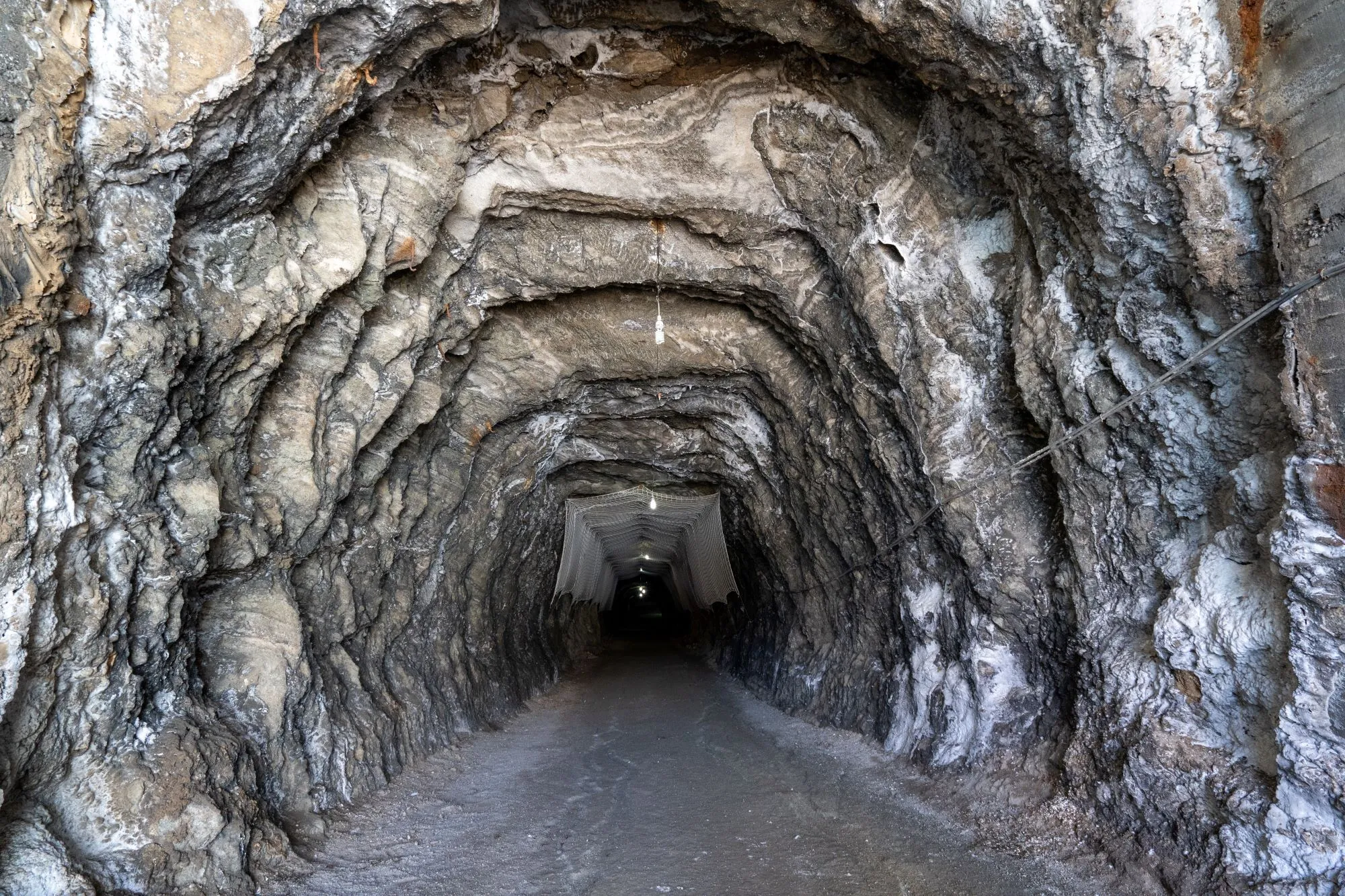
- Mechanical & Thermal Grid Storage: Technologies like pumped hydro, compressed air energy storage (CAES), and liquid air energy storage (LAES). These systems use surplus power to alter the physical or thermal state of a medium (like freezing or compressing air), reclaiming that kinetic energy when supply tightens.
The move toward grid independence
The launch of the Ultra-Long Duration Energy Storage Challenge confirms that the future UK grid will rely on heavy flexibility. The era of steady, predictable baseload generation from centralised fossil-fuel plants is ending. In its place comes a dynamic, clean network that rewards agile properties.
Retrofits that are focused on high-performance fabric insulation, oversized domestic storage, and open Smart automation, insulate households from energy volatility. In this way, properties can be converted into active grid assets, and owners can enjoy cheaper, cleaner power for decades to come.
Contact us to discuss how we can help to future-proof your home.
Carl Dodd, Property Revolutions Ltd.

