

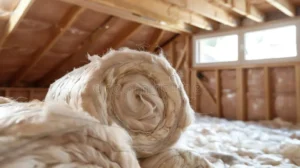
Why Bio-Insulation leads the way
For decades, the standard approach to keeping a British home warm has involved rolls of itchy glass wool, or thick slabs of rigid plastic foam. While effective at trapping heat, these materials carry a heavy "carbon debt" from their intensive manufacturing processes.
However, a new wave of Bio-Insulation Innovation is hitting the UK market. Leading the charge is WheatEx, a pioneering UK-developed insulation board made from agricultural by-products.
For homeowners looking to slash energy bills while lowering their environmental footprint, these plant-based materials are a game-changer.
The problem with traditional insulation
Most UK homes rely on mineral wool or synthetic foams (like PIR or EPS). These materials are:
- High in Embodied Carbon: They require immense heat and chemicals to produce.
- Non-Biodegradable: They often end up in landfills at the end of their lifecycle.
- Poor at Humidity Regulation: Synthetic materials don't "breathe," which can lead to condensation and damp issues in older British housing stock.
Enter WheatEx: The UK’s homegrown hero
WheatEx represents a shift toward a circular economy. Developed in the UK (by Agreka Build), it is a rigid insulation board made from compressed wheat straw - a by-product of the cereal industry that is often discarded or burnt.
Why WheatEx is different:
- Carbon Negative Potential: Because straw absorbs CO2 as it grows, the carbon is "locked" into walls for the life of the building.
- Exceptional Thermal Mass: Unlike lightweight glass wool, WheatEx has high density. This means it doesn't just stop heat from escaping; it stores it, keeping homes cooler in summer and warmer in winter.
- Fire Resistance: Despite being made of straw, the high-density compression of WheatEx boards limits oxygen availability, making them naturally fire-retardant, without the need for toxic chemical additives.
Other rising stars in Bio-Insulation
While WheatEx is making waves, it’s part of a broader family of sustainable materials:
- Hempcrete: A mixture of hemp shiv and lime that acts as both insulation and structure.
- Mycelium Insulation: Grown from fungal spores and agricultural waste, creating a custom-fit, biodegradable foam.
- Sheep’s Wool: A traditional favourite that can absorb up to 33% of its weight in moisture, without losing its insulating properties - perfect for the UK's climate.
Why Bio-Insulation suits the UK housing stock
The UK has some of the oldest and "leakiest" housing in Europe. Many of our solid-wall Victorian terraces suffer when "sealed" with plastic insulation, as moisture gets trapped, causing rot.
Bio-materials like WheatEx are vapour-permeable. They allow moisture to travel through the wall, regulating indoor air quality and protecting the structural integrity of heritage buildings.
Investing in bio-insulation isn't just about being green; it’s about performance. As the UK moves toward Net Zero, materials like WheatEx offer a way to retrofit our homes using the very fields that surround our towns and villages. They are safer for installers, better for the planet, and create a healthier living environment for families.
Carl Dodd, Property Revolutions Ltd.

