

The turning point
It is no secret that 2026 has been a turning point for the UK’s energy landscape. Following a period of intense global volatility, and in response to increasing energy security needs, the UK government made a monumental announcement this month.
This announcement did not just aim for marginal improvements; it promised a radical shake-up of how households access, generate, and store clean electricity.
At the heart of this new initiative is a phrase that has, in a few short months, changed the conversation around home energy: "plug-in" Solar.
Combined with the ongoing rollout of the £15 billion Warm Homes Plan and the Future Homes Standard, the government has accelerated the UK’s transition to a rooftop revolution. Here is a deep dive into what this means for homeowners, renters, and the future of energy in Britain.
The rise of "plug-in" solar
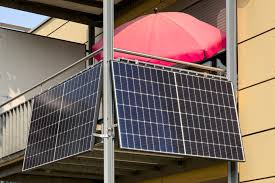
On 15 March 2026, the Department for Energy Security and Net Zero (DESNZ) confirmed it would make plug-in solar panels available to consumers within months. For years, solar energy was seen as a luxury for detached homeowners with large roofs. Plug-in solar changes this narrative. These are typically smaller, simplified solar kits that can be mounted on balconies, garden fences, or exterior walls.
Why this is a game-changer:
- Accessibility for Renters: Unlike traditional rooftop systems, plug-in panels are easy to install and uninstall. This makes them ideal for tenants in flats or rental properties, offering them a chance to reduce their energy bills.
- Simplicity: As the name suggests, these panels can be plugged directly into a standard mains socket. They safely feed electricity into the home’s wiring, reducing the amount of energy drawn from the grid.
- Immediate Savings: By utilising unused balcony or garden space, households can generate their own electricity, offering protection against price spikes.
The government is working with the BSI (British Standards Institution) to create specialised standards, ensuring these systems are safe and simple to use.
Solar + Storage: the 'dynamic duo'
While plug-in solar is a brilliant, quick-start solution, the government’s wider announcement emphasised that the ultimate goal is an integrated solar plus storage. As of early 2026, the most effective way to maximise the value of solar is to store excess energy. The government’s initiatives, including the Warm Homes Plan, are heavily incentivising this "plug-in" solar.
1. 0% VAT on battery storage
The government confirmed that the 0% VAT relief on energy-saving materials has been extended, covering not just solar panels but also home battery storage systems. This applies until at least March 31, 2027. If you add a battery, you are saving 20% on the installation cost immediately, as noted on Lincs Renewables.
2. Doubling self-consumption
Without a battery, solar energy generated during the day that isn’t used is exported back to the grid. With a battery, that energy is stored for use in the evening when electricity rates are at their highest. This dramatically cuts the cost of heating and driving, particularly when paired with a heat pump or an electric vehicle.
3. Fully funded packages
Under the new Warm Homes Plan, low-income households can receive fully funded, holistic packages. These aren’t just panels -they are comprehensive upgrades, often including solar panels combined with a battery, removing the upfront capital cost entirely.
The new construction mandate
The announcement also solidified the implementation of the Future Homes Standard. This means that new homes built in England will come with solar panels fitted as standard. This is a massive shift, ensuring that new, energy-efficient homes are designed for the future, reducing the need for retrofitting later.
The "Warmer" Future
The overarching framework for all these changes is the £15 billion Warm Homes Plan. This plan is designed to:
- Cut Bills: By reducing dependence on volatile fossil fuel markets.
- Enhance Security: By generating clean, homegrown power.
- Upgrade Homes: By investing in insulation, heat pumps, and solar.
The government has also accelerated funding for local councils, allowing them to deliver these home upgrades directly, making the process more efficient and tailored to local needs.
Why 2026 is the year for solar
The combination of the March 2026 policy announcements, the 0% VAT incentive, and plummeting hardware costs means the economic case for solar is stronger than ever.
Key 2026 Market Drivers:
- 40% Price Drop: Solar panel costs have dropped approximately 40% since 2020, as highlighted on TheGreenAge.
- Highest Deployment: March 2026 saw over 27,000 solar installations, the highest in over a decade.
- 0% VAT: Retained until March 2027, making both panels and batteries significantly cheaper.
Is solar right for you?
For homeowners, the answer is increasingly yes. For renters, the new plug-in solar options offer a previously unavailable route to energy efficiency.
If you are a homeowner, now is the time to look at a 4kWp system (for a family-home size), which can generate over 3,500 kWh a year.
Steps to take:
- Check Eligibility for the Warm Homes Plan: See if your household qualifies for fully funded upgrades.
- Evaluate Battery Storage: If you are paying for the installation, consider a battery to maximise your savings.
- Find an MCS Accredited Installer: Ensure your installer is qualified, to secure the 0% VAT benefits.
The March 2026 government announcement marks the end of the "early adopter" phase of residential solar in the UK. By focusing on plug-in technology, prioritising storage, and mandating solar on new builds, the government is making clean energy a standard part of British life.
The future of energy is not just about producing power; it is about storing it, using it efficiently, and ensuring everyone has access to lower bills.
Whether through a full rooftop system or a new balcony plug-in kit, 2026 is the year to embrace the solar revolution.
Carl Dodd, Property Revolutions Ltd.

