

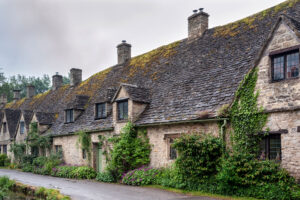
Retrofitting rural homes in 2026
As we move through 2026, the UK's journey towards Net Zero has reached a pivotal juncture. While urban high-rises and suburban estates often dominate the conversation, the real frontline of the energy transition is found in the rolling hills and quiet villages of the British countryside. Retrofitting rural homes is no longer a niche environmental ambition; it is an urgent economic and social imperative.
80% of the buildings we will use in 2050 are already standing today. This means that the challenge is clear: we cannot build our way to sustainability - we must upgrade what we have. In 2026, this means navigating a landscape of shifting government policy, advancing technology, and the unique architectural complexities of our rural heritage.
The rural landscape
The urgency of rural retrofit has intensified due to several converging factors. Data from Eurocell's State of Sustainable Construction 2026 report reveals that over 56% of UK homes remain rated EPC D or below. In rural areas, this figure is often higher, where many properties are "off-grid" and rely on expensive fossil fuels like oil or LPG.
Recent policy shifts have also changed the stakes. The Warm Homes Plan, a £15 billion government initiative, is now in full swing with a goal to upgrade 5 million homes by 2030. For rural homeowners, 2026 is a "goldilocks" year: the technology has matured, the funding is substantial, and the long-term cost of inaction - driven by volatile fossil fuel prices - has never been clearer.
Unique challenges of the rural retrofit
Retrofitting a stone farmhouse in the Cotswolds or a timber-framed cottage in Norfolk is vastly different from upgrading a 1990s semi-detached home in a city.
- Non-Standard Construction: Rural homes often feature solid walls and breathable materials. Applying standard urban solutions like modern cavity wall insulation can trap moisture, leading to severe damp and mould.
- Infrastructure Gaps: Limited grid capacity in remote areas can restrict the installation of multiple high-demand electric technologies, such as fast EV chargers alongside large heat pumps.
- Logistical Complexity: For contractors, the "rural premium" is real. Greater travel distances, difficult access, and fragmented supply chains make projects more expensive and harder to coordinate.
The "Fabric-First" approach
In 2026, professional retrofitting has moved away from "silver bullet" products towards a holistic, fabric-first strategy. This prioritises the building’s envelope - insulation and airtightness -before introducing high-tech heating systems.
- Advanced Insulation
For traditional rural buildings, solid wall insulation is the hero. Internal wall insulation (IWI) using breathable materials like wood fibre or lime plaster allows heritage buildings to "breathe" while drastically reducing heat loss.
- High-Performance Glazing
The days of choosing between uPVC and timber are over. In 2026, slimline vacuum glazing provides the thermal performance of triple glazing, while maintaining the delicate profiles required for listed buildings or those in conservation areas.
Electrifying the countryside: heat pumps and beyond
Once the fabric is secure, the focus shifts to low-carbon heating. With the Boiler Upgrade Scheme now offering universal £7,500 grants for heat pumps, the financial case for switching from oil to electricity has never been stronger.
- Air Source Heat Pumps (ASHPs): Modern ASHPs are now highly efficient, even in the colder rural winters. They can achieve a Coefficient of Performance (COP) of 3 to 4, meaning for every 1kWh of electricity used, they generate 3 to 4kWh of heat.
- The Rise of Air-to-Air: 2026 marks the first year of universal support for air-to-air heat pumps, which provide efficient heating in winter and low-cost cooling during increasingly hot British summers.
- Solar and Storage: To mitigate higher rural electricity costs, smart homeowners are pairing heat pumps with solar PV and battery storage. This "eco-ecosystem" allows homes to generate their own power and take advantage of flexible "time-of-use" tariffs.
Funding the Future: grants currently available
Navigating the financial landscape can be daunting, but several key streams are currently active (as of 8th May, 2026):
| Scheme | Focus | Max Funding/Support |
| Warm Homes Plan | Low-income & social housing | Fully funded energy packages |
| Boiler Upgrade Scheme | Heat pump installations | £7,500 universal grant |
| Rural Home Grants 2026 | Off-grid properties | Up to £25,000 for eligible homes |
| Warm Homes Fund (Social) | Flexible financing | 0% interest loans for solar/insulation |
The opportunity: beyond energy bills
While lower bills are a major driver, the opportunities of rural retrofit in 2026 extend further:
- Property Value: Homes with high EPC ratings are increasingly commanding a premium in the market as buyers look to "future-proof" their investments.
- Health and Wellbeing: Eradicating cold, damp, and draughts significantly improves respiratory health and mental wellbeing for rural residents.
- Local Economy: By demanding high-quality, local craftsmanship, the retrofit movement is creating "green-collar" jobs and revitalising rural trade skills.
Retrofitting rural homes in 2026 is a balancing act between respecting our architectural past and securing our environmental future. It requires a move away from fragmented, piecemeal upgrades toward a professional, whole-house approach.
The challenges - from logistics to technical risk - are real, but they are matched by unprecedented support and technological maturity. For the rural homeowner, 2026 is not just the year to talk about energy efficiency; it is the year to act.
Carl Dodd, Property Revolutions Ltd.
Photo copyright @ Laura Facchini

